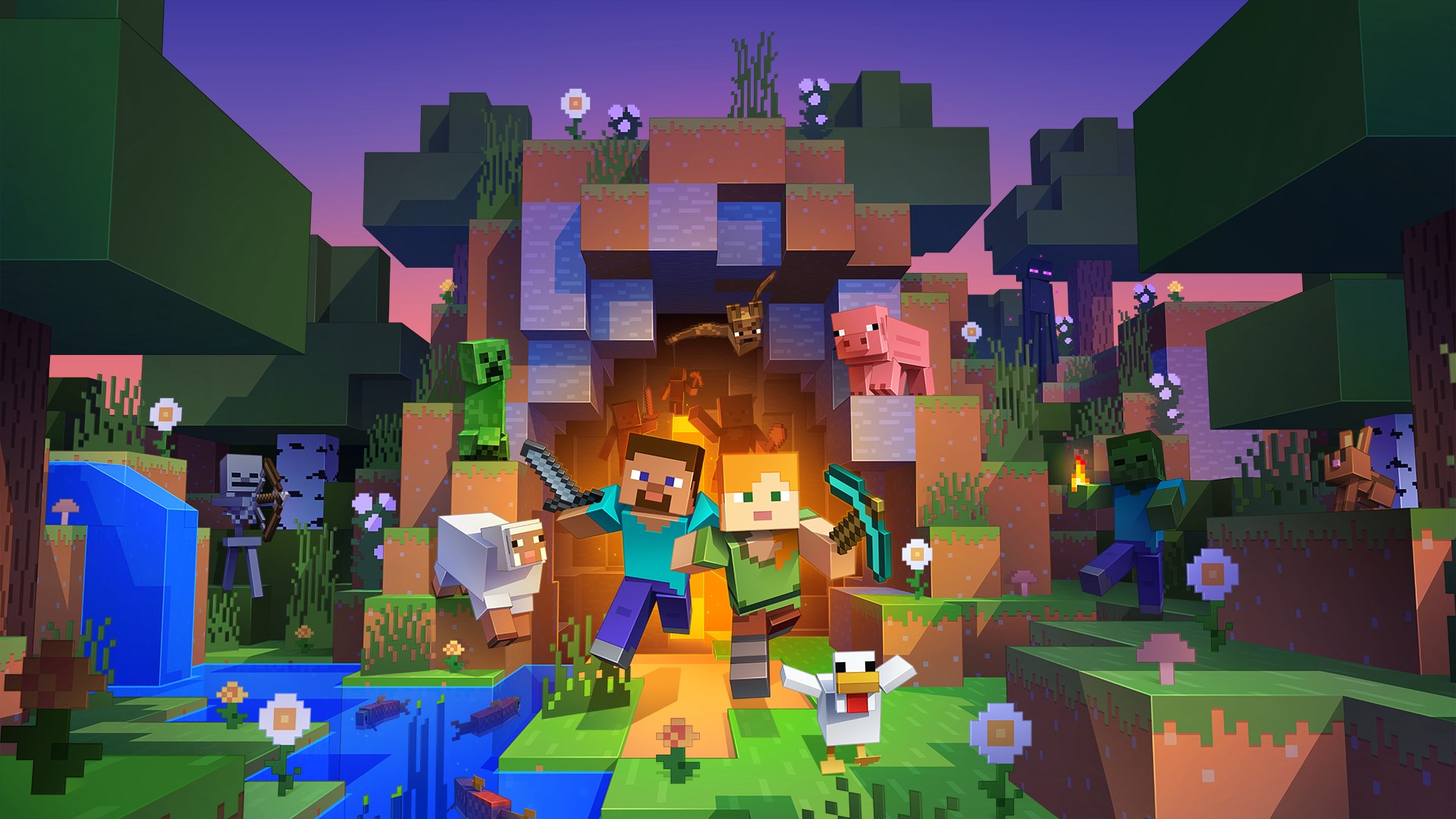
Not long ago, as I attempted to bring order to my cluttered home office—a strange blend of gaming nostalgia and forgotten storage—I uncovered an old treasure: my Xbox 360 Elite. Solid, slightly worn, and unmistakably from another era, it immediately stirred a wave of memories. On impulse, I set it up again. I found myself wondering whether the game that had quietly changed our family’s life—Minecraft—was still installed.
For me, it was never simply a pastime. It became something far more meaningful. With the game’s 15th anniversary being marked this month, it felt like the right time to reflect on the role it played in our lives.
First Encounter at a Showcase Event
Back in 2012, Microsoft was highlighting its major franchises—Halo, Forza, and Gears of War—during an Xbox event in San Francisco. Amid these blockbuster titles, a quieter corner featured demo stations for the console edition of Minecraft. I had heard about the game from Mojang—a sandbox experience where players mine resources, construct worlds, and survive in endlessly generated landscapes. It had already gained a massive following on PC.
I decided to give it a quick try.
An hour passed before I realized it.
There was something about it that struck a deeper chord—something personal. That connection had everything to do with my son, Zac.
A Turning Point for My Son
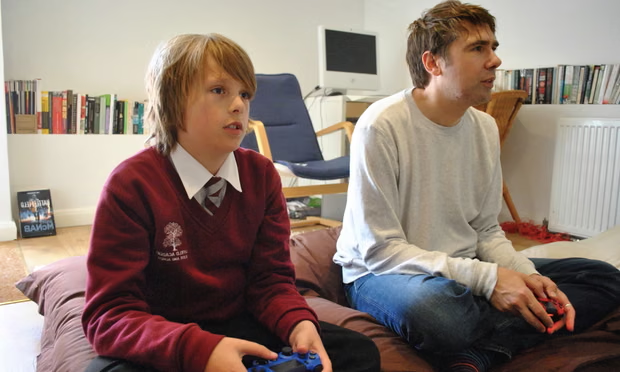
Earlier that same year, my oldest child had received a formal autism diagnosis, confirming what we had long sensed. At seven years old, he spoke very little, found change overwhelming, and struggled socially. Communication often felt out of reach. Traditional creative outlets—drawing, building with Lego—failed to engage him. But technology fascinated him.
When we introduced him to Minecraft, something shifted.
The structured yet open nature of the game seemed to offer him comfort. Its predictable rules and calming soundtrack created a sense of security. With a controller in hand, he could design and experiment freely, without the pressures he faced in the physical world. Gradually, the game helped expand his vocabulary and confidence. It gave him a new language.
In 2015, I wrote about his experience in The Guardian, and that story eventually inspired my novel, Boy Made of Blocks. The book went on to sell more than 200,000 copies and led to opportunities I never expected. But none of that compares to the real reward: watching Zac find his voice and imagination through a digital world that welcomed him exactly as he was.
Rediscovering Forgotten Worlds
When I switched on the old console again, I braced myself for disappointment. My Xbox Live credentials wouldn’t work, and the installed version of Minecraft appeared to be only a demo. For a moment, I was convinced our carefully built family worlds had vanished. Those digital landscapes—complete with towering castles, winding tunnels, and small farms—weren’t just game files. They were shared experiences created by Zac, his younger brother Albie, and me. Losing them would have felt like misplacing a piece of our family history.
A Global Influence Beyond Gaming
Over the past 15 years, Minecraft has shaped lives in ways few games ever have. For many players, it has eased isolation, encouraged creativity, and provided space to explore identity and self-expression. Classrooms adopted Minecraft: Education Edition as a learning tool, helping students engage with subjects ranging from programming and history to environmental studies and even Shakespearean literature.
Organizations also recognized its potential. The Block by Block initiative empowered communities to reimagine urban spaces. The World Wildlife Fund used the platform to promote wildlife conservation, including campaigns centered on pandas. Meanwhile, Reporters Without Borders launched the Uncensored Library within the game, offering access to journalism restricted in certain parts of the world.
Despite constant updates—introducing new creatures, biomes, and gameplay features—the core spirit of the game has remained intact. As game director Agnes Larsson has described, each addition is meant to feel like “a new toy in the sandbox,” ensuring the experience remains fresh yet timeless.
A Digital Refuge During the Pandemic
Much like Fortnite, Minecraft evolved into more than a game—it became a gathering place. Friends and families met there when physical proximity wasn’t possible. During the Covid pandemic, as isolation became the norm, countless players stayed connected through shared virtual adventures. For children confined to hospitals or separated from classmates, the game offered reassurance, creativity, and companionship during uncertain times.
Unearthing Our Saved Creations
After persistent effort, I managed to restore my old profile and load a physical copy of the game. As the familiar piano theme composed by Daniel Rosenfeld filled the room, a wave of nostalgia followed. Then, suddenly, our worlds reappeared—untouched and waiting. The castles still stood tall, the farms remained planted, and treasure-filled houses looked exactly as we had left them. It felt like unlocking the door to a preserved family home.
Since publishing my novel Boy Made of Blocks, many parents have shared similar experiences with me. They speak of children navigating autism, ADHD, or social challenges who discovered confidence and joy through the game. The pattern is strikingly consistent: everything began to shift when “they started playing Minecraft.”
A Game That Crosses Generations
Today, my sons are teenagers, often playing online with friends. Still, the enchantment of Minecraft hasn’t faded. Even Agnes Larsson has spoken about enjoying the game with both her daughter and her mother, highlighting its rare cross-generational appeal. The structures built within its blocky landscapes—fortresses, farms, secret hideaways—become more than virtual constructs. They transform into shared milestones, as meaningful as old photo albums.
The Future of a Cultural Icon
What began as a project by Mojang has grown into a global cultural phenomenon. Its developers now approach each update with long-term care, ensuring that new features will remain relevant and meaningful for years to come.
For me, the game symbolizes connection above all else. I still remember the first time my son eagerly showed us the world he had built, guiding us proudly through every detail. It was his quiet declaration: this space represents me; this is where I feel at home.
Fifteen years on, the doorway that Minecraft opened—for him and for millions across the globe—remains wide open, filled with creativity, community, and endless possibility.