The idea of a noble steed—swift, loyal, and efficient—galloping across the vast, pixelated landscapes of Minecraft is one that captures the imagination of every player. Whether you’re traversing endless plains, scaling mountainous terrain, or outrunning hostile mobs under the cover of night, a horse transforms travel from a simple chore into an exhilarating adventure. However, transforming a wild, untamed horse into a helpful and reliable companion requires more than just luck—it requires knowledge, patience, and a little bit of skill.
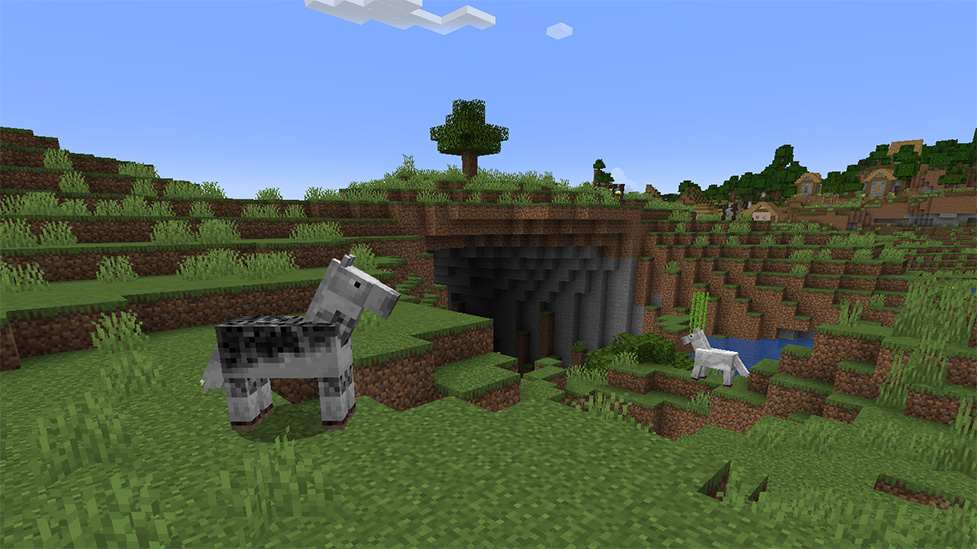
This comprehensive guide will take you through everything you need to know about horses in Minecraft: from finding them in the wild, to taming and saddling them, to mastering the art of horseback riding. Whether you’re a seasoned player looking to refine your equine expertise or a newcomer eager to add a new dimension to your explorations, this guide will help you unlock the full potential of these magnificent creatures.
Finding Your Future Steed: Where Wild Horses Roam
Before you can tame a horse, you must first find one. Horses in Minecraft spawn naturally in specific biomes, and knowing where to look is half the battle.
Preferred Habitats
Wild horses can be found grazing peacefully in the following biomes:
- Plains: The most common location for horses. These wide, grassy areas are ideal for spotting herds from a distance.
- Savannas: Another excellent biome for horse hunting. The warm, open terrain often hosts small groups of horses in varying colors and patterns.
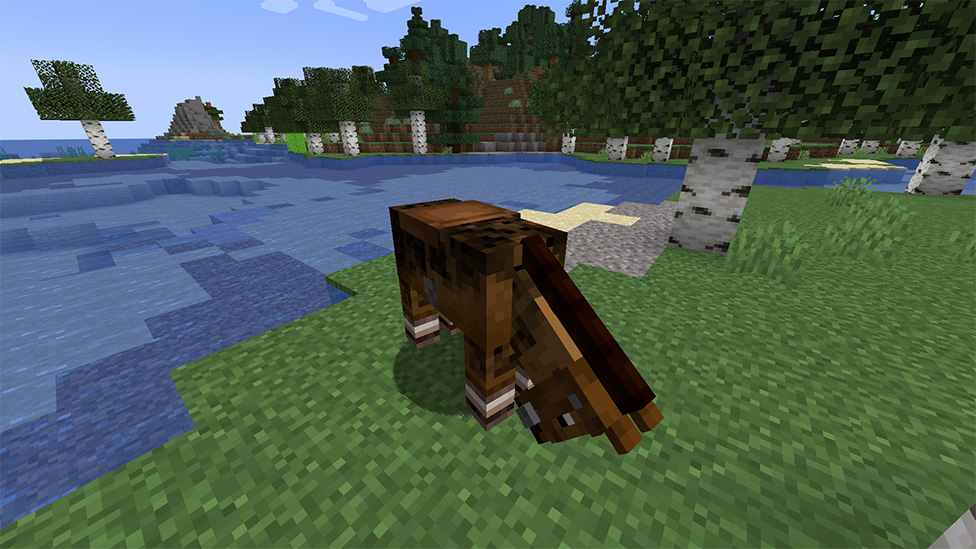
Horses typically spawn in herds of 2 to 6 individuals, and they come in a delightful variety of coat colors and markings—from solid browns and blacks to spotted pintos and palominos. Each horse is unique, with its own combination of speed, jump height, and health, adding an element of discovery to every encounter.
Donkeys and Mules
While exploring, you may also come across donkeys, which are smaller and can be equipped with chests for carrying items. Donkeys can be found in the same biomes as horses. Later, by breeding a horse with a donkey, you can create a mule—a hybrid that inherits the carrying capacity of a donkey but cannot breed further.
Taming Your Equine Friend: A Step-by-Step Guide
Taming a wild horse is a test of patience and persistence. These animals are not immediately trusting, and they will resist your attempts to ride them until they feel a bond forming. Here is the complete process.
Step 1: Approach with an Empty Hand
Before attempting to tame a horse, ensure your hand is empty. If you’re holding an item, you may accidentally feed the horse or interact with it incorrectly. Approach the horse slowly—sudden movements aren’t an issue in-game, but it’s good practice to be deliberate.
Step 2: The Mounting Attempt
Right-click (or use the secondary action button on your device) on the horse to attempt to mount it. The horse will almost certainly react by bucking and rearing, throwing you off after just a moment. This is completely normal and expected.
Step 3: Persistence is Key
Do not be discouraged. Simply keep mounting the horse repeatedly. Each attempt increases your chances of success. After several tries—sometimes as few as two or three, sometimes a dozen or more—you will see small red hearts appear around the horse. This is the visual confirmation that the taming process is working. The horse is beginning to trust you.
Step 4: The Taming Complete
Once the hearts appear, the horse is officially tamed. It will no longer buck you off when you mount it. However, you cannot control its movement yet—for that, you need a saddle.
The Essential Equipment: Saddles and Horse Armor
Acquiring a Saddle
Contrary to what some players believe, saddles cannot be crafted in Minecraft. Instead, they must be found through exploration and luck. Common methods for obtaining a saddle include:
- Exploring Dungeons: Check chests in dungeon rooms (identified by mossy cobblestone and a monster spawner).
- Raiding Temples: Desert temples and jungle temples often contain saddles in their loot chests.
- Bastion Remnants: In the Nether, bastion remnant chests have a chance to contain saddles.
- Fishing: With the Luck of the Sea enchantment, fishing can yield saddles as treasure items.
- Trading: Master-level leatherworker villagers sometimes offer saddles in exchange for emeralds.
- Ruined Portals: Chests in these structures occasionally contain saddles.
Horse Armor (Optional but Valuable)
While not required for riding, horse armor provides protection for your steed during dangerous adventures. Like saddles, horse armor cannot be crafted and must be found in chests. It comes in three tiers:
- Leather Horse Armor: The weakest, but can be dyed for customization.
- Iron Horse Armor: Provides moderate protection.
- Gold Horse Armor: Slightly better than iron, with a golden gleam.
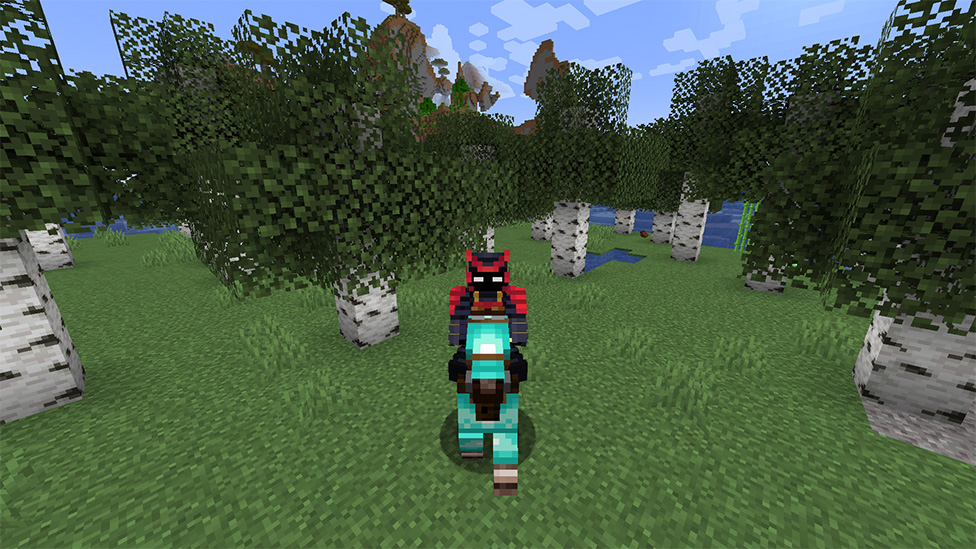
- Diamond Horse Armor: The strongest and most durable, offering maximum protection.
Applying the Saddle
Once you have a tamed horse and a saddle, open your inventory while mounted on the horse (or by interacting with it on the ground). You will see a saddle slot—simply drag the saddle into this slot. Now, when you mount the horse, you will have full control over its movement.
Riding Basics: Navigating the Equine Experience
With your horse tamed, saddled, and ready to go, it’s time to hit the trails. Mastering the controls and understanding your horse’s unique attributes will make every journey smoother and more enjoyable.
Mounting and Dismounting
Mounting Your Horse
To mount your horse, simply right-click on it. You’ll see a seamless animation as you swing into the saddle, and your view will shift to a first-person perspective from atop your steed. From this vantage point, you can survey the landscape and plan your route.
Dismounting Gracefully
To dismount, press the shift key (or your designated sneak/dismount button). A word of caution: always ensure your horse is stationary before dismounting. Jumping off a moving horse can cause both you and your companion to take fall damage—especially if you’re on uneven terrain or near a cliff edge. Bring your horse to a complete stop, then dismount safely.
Controlling Your Horse
Basic Movement
Once mounted, your horse responds to the standard movement keys:
- W / Forward: Moves the horse forward
- S / Backward: Moves the horse backward (slowly)
- A / Left: Turns the horse left
- D / Right: Turns the horse right
Horses cannot strafe sideways like players can; they must turn in the direction you want to go.
Speed and Stamina
Each horse has a randomly generated speed stat. Some horses are naturally faster than others, making them prized finds for long-distance travelers. To gauge your horse’s speed, simply ride it for a while—you’ll quickly notice if it feels sluggish or lightning-fast.
Jumping Mechanics
Press the spacebar to make your horse jump. The jump height varies significantly between individual horses. Some can barely clear a single block, while others can leap over fences and small ravines with ease. The jump bar on your screen fills as you hold the spacebar, and releasing it at the right moment determines the jump’s power.
Horse Health and Care
Your horse has its own health bar, which appears on screen while you’re mounted. If your horse takes damage—from falls, hostile mobs, or accidents—you can restore its health by feeding it:
- Apples
- Golden Apples (these also have special effects)
- Hay Bales
- Wheat
- Sugar
- Golden Carrots
Feeding your horse also speeds up the growth of foals if you’re breeding them.
Breeding and Raising Foals
Once you have two tamed horses, you can breed them to produce a foal. Breeding allows you to potentially combine desirable traits like speed, jump height, and health from both parents.
How to Breed Horses
- Ensure both horses are tamed.
- Feed each horse a golden apple or golden carrot. (Regular apples and carrots won’t work for breeding.)
- Hearts will appear above both horses, and they will move toward each other.
- A foal will spawn nearby.
Raising Foals
Foals cannot be ridden or equipped with saddles until they mature. You can speed up their growth by feeding them:
- Apples
- Wheat
- Sugar
- Hay Bales
Each feeding reduces the remaining growth time. Once fully grown, the foal will inherit a blend of its parents’ stats and coat colors, making breeding a fascinating way to create the ultimate horse.
Special Equine Variants: Donkeys and Mules
Donkeys
Donkeys function similarly to horses but with two key differences:
- They are slightly slower than most horses.
- They can be equipped with a chest, allowing them to carry items. Simply right-click on a tamed donkey with a chest to attach it, giving you valuable extra inventory space on long journeys.
Mules
Mules are created by breeding a horse with a donkey. They inherit the chest-carrying ability from their donkey parent but cannot breed further. Mules are excellent pack animals for resource-gathering expeditions.
Frequently Asked Questions
Can any horse be tamed in Minecraft?
Yes, every wild horse in Minecraft can be tamed with patience and persistence. There are no “untamable” horses—some just take more attempts than others.
What is the difference between a horse and a mule in Minecraft?
Horses are faster and come in a wider variety of colors and stats. Mules are hybrids (horse + donkey) that can carry chests but cannot wear horse armor or breed. They are excellent for transporting goods but slower for travel.
What do horses eat in Minecraft?
Horses can eat apples, golden apples, hay bales, wheat, sugar, and golden carrots. These foods restore health and, in the case of golden apples and carrots, trigger breeding.
Can you craft a saddle in Minecraft?
No, saddles cannot be crafted. They must be found in chests (dungeons, temples, bastions, etc.), obtained through fishing, or traded with master-level leatherworker villagers.
How do I know which horse has the best stats?
The only way to truly know a horse’s speed and jump height is to ride it and test it. Speed is felt through travel time; jump height can be tested by holding the spacebar and seeing how high the bar fills. There is no in-game stat display, so experimentation is key.
Conclusion: Your Faithful Companion Awaits
Taming and riding a horse in Minecraft adds a dimension of efficiency, fun, and companionship that few other activities can match. From the thrill of spotting a wild herd on the horizon to the satisfaction of finally taming a stubborn stallion, the journey is as rewarding as the destination.
With your own tamed and saddled horse, you can navigate the vast landscapes of Minecraft in style—whether you’re a nomad seeking new biomes, a builder transporting resources across long distances, or an adventurer looking for a loyal companion to face the dangers of the night.
So, what are you waiting for? Head out to the plains, find your future steed, and begin the taming process. With patience, persistence, and the knowledge you’ve gained from this guide, you’ll soon be galloping across the terrain with the wind in your hair and a faithful companion beneath you. Saddle up, adventurer—the world of Minecraft awaits, and your horse is ready to ride.
Experience Flawless Multiplayer Gaming with ScalaCube
Looking for the best Minecraft server hosting? You’re in the right place! Our dedicated servers prioritize efficiency, guaranteeing low-delay connections and superior stability. Leave server-related issues behind and focus on mastering the Minecraft gaming environment. Whether you’re an experienced player or just starting out, our servers are designed to meet all your hosting needs.
How do I make a Minecraft server? ScalaCube makes it simple with easy-to-understand tools and unmatched support. Trust ScalaCube for your Minecraft hosting needs—providing dependability, unrivalled performance, and a seamless multiplayer experience. Boost your Minecraft sessions with ScalaCube, where hosting meets brilliance.